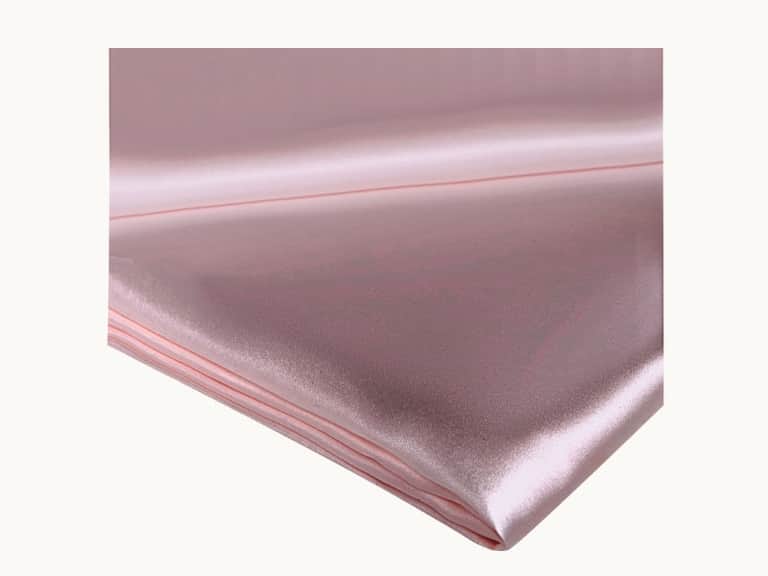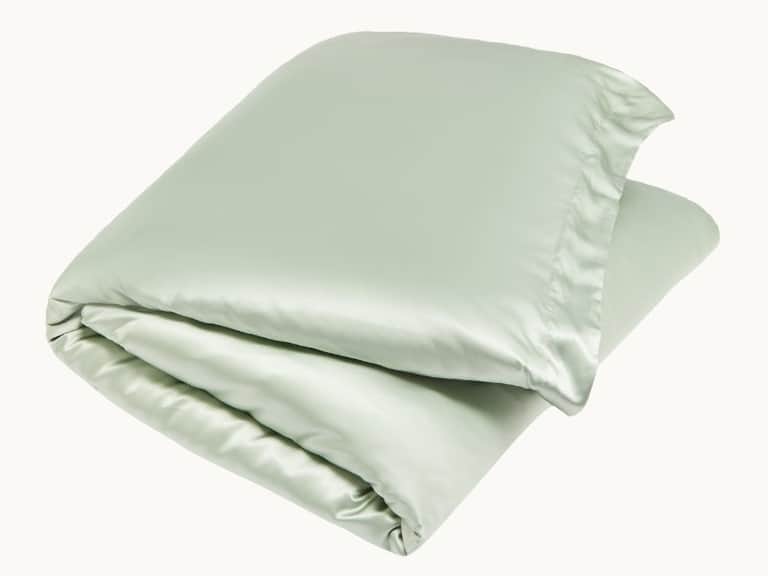
Sage Silk Duvet Cover
Experience cooler, calmer sleep with mulberry silk that breathes and adapts to you, soothing hair and skin while a subtle sheen elevates your bedroom vibe; easy delicate-care keeps it pristine.
A neutral, research-driven guide to how silk and cotton bedding differ in comfort, temperature regulation, and care. It helps readers evaluate materials without brand bias, grounded in credible textile principles.
Bedding lies at the intersection of science and daily ritual. Silk and cotton, two of the most venerable textile protagonists, offer contrasting textures, performance, and care requirements that shape how we experience nightly rest. Silk, a high-protein filament produced by silkworms, carries a natural sheen and temperature-regulating properties that can feel almost otherworldly in dry heat and chilled nights. Cotton, by contrast, is celebrated for its breathability, durability, and ubiquitous comfort—an approachable standard-bearer in many households.
In this guide, we explore these materials in a neutral, evidence-based lens. We consider texture and hand (the way the fabric feels to touch), breathability and temperature regulation (how well it manages moisture and heat), care and durability (how care routines affect longevity), and practical decision-making for climate and sleep preferences. We also weave in historical context, recognizing that the enduring appeal of silk and cotton has deep roots in cultural practices, trade, and design philosophy.
Silk bedding is celebrated for its smooth, almost cool-to-the-touch surface that glides against skin and hair. The natural protein structure of silk lends hypoallergenic properties and a unique moisture-handling profile. Silk tends to regulate temperature by absorbing and releasing moisture with minimal bulk, which can translate to a refreshed feel in both warm and cool environments. Silk is typically measured by momme weight, which gives a sense of its density and durability; common weights in consumer lines range from mid-teens to high teens.
Cotton bedding, especially high-grade long-staple varieties, offers a different set of advantages. Cotton flat sheets and duvet covers tend to feel breathable and sturdy, with a tactile range from crisp to silky-soft depending on weave and finishing. Cotton’s absorbency makes it excellent at wicking moisture, and its care routines—machine washing, straightforward care—are familiar to most households. The durability of cotton—paired with a broad price range and wide color options—adds to its everyday appeal.
Silk requires delicate handling to preserve its luster and strength. Typical care guidance includes gentle cycles (delicate or wool/hand-wash equivalents), cooler water temperatures, air drying, and occasional light ironing on low heat to restore smoothness. Silk fibers are susceptible to damage from high heat and harsh detergents, so mild detergents and careful washing are essential.
Cotton, while generally more forgiving in care, still benefits from proper washing temperatures and sorting to protect fibers and color. Most cotton bedding holds up well to standard machine washing and can tolerate higher spin speeds and dryer settings, though line drying or cool tumble drying can help extend life and reduce wrinkling.
In hotter climates or during summer, silk’s moisture management can yield a cooler feel, particularly for sleepers who tend to overheat at night. Silk’s lightweight, breathable profile helps with airflow while maintaining a refined surface texture. Cotton’s breathability is immense, especially in percale or lightweight duvet fabrics, so it remains a reliable choice for warm sleepers who prefer a more traditional feel.
In cooler environments, silk can still offer warmth without heaviness, especially when layered with other textiles. Cotton’s warmth is warm-and-cozy, particularly when blended with other fibers or woven in thicker constructions, making it a versatile base layer for varied seasons.
Silk’s prestige emerged along ancient trade networks, notably the Silk Road, where silk fabrics traveled from China to far-flung markets. The fabric’s association with warmth, refinement, and luxury embedded silk into the cultural fabric of many societies. Cotton, by contrast, followed a different historical arc, becoming a staple in household textiles across a broader spectrum of economies. Its accessibility and durability cemented its role in daily life, from sheets to covers and beyond.
Across centuries, designers and textile scientists have balanced the tactile pleasures of silk with the practical resilience of cotton. The modern bedding landscape reflects this continuum, presenting a spectrum of textures—from the buttery hand of mulberry silk to the sturdy softness of long-staple cotton—each with its own maintenance rituals and seasonal suitability.
The discourse around textiles and sleep has attracted thinkers and practitioners who, in different eras, helped shape how we understand comfort, fabric science, and care.
To illustrate the distinctions in a tangible way, consider two households with similar sleep needs but different preferences. Household A favors a crisp, breathable surface with a light feel, leaning toward cotton for its reliable performance and easy care. Household B prioritizes a smoother, cooler-to-the-touch surface that drapes softly; silk becomes a compelling option for its luxurious hand and temperature-regulating properties.
In real-world testing, sleepers in Household B may notice more consistent skin and hair comfort thanks to silk’s reduced friction and hypoallergenic tendencies. Household A may appreciate cotton’s durability, color stability, and straightforward maintenance. In both cases, layering with appropriate blankets, sheets, and duvet covers—such as a Sage Silk Duvet Cover from Gingerlily—illustrates how bedding systems can be designed to create a cohesive sleep environment without compromising on comfort or practicality.
A Sage Silk Duvet Cover crafted from 100% mulberry silk with a 19 momme weight, featuring a 3" border and button closure. This cover epitomizes the silk surface: breathable, temperature-regulating, and gently luxurious.
Care: Machine wash delicate; at no more than 30°C; air dry; cool iron; wash inside out.
The Sage Silk Duvet Cover exemplifies a silk-centered approach within a bedding system. It demonstrates how a single fabric choice can influence warmth, moisture management, and overall sleep experience. While cotton remains a reliable baseline for many households, silk offers differentiated performance that can be meaningful for those who prioritize texture, temperature regulation, and skin/hair health.
Silk and cotton each have a rightful place in the modern bedroom, and the best choice often depends on climate, sleep posture, and lifestyle. Silk bedding provides a refined surface, excellent temperature regulation, and hypoallergenic potential, while cotton bedding offers familiarity, durability, and broad accessibility. By understanding these properties, readers can assemble bedding ensembles that honor comfort, care, and longevity without defaulting to brand-centric decisions.
Practical guidance includes prioritizing fiber quality, weave, and finishing; matching seasonal needs with appropriate weights; and adopting care routines that preserve fabric integrity. Whether you lean toward silk, cotton, or a balanced blend, the aim is a sleep environment that remains breathable, clean, and inviting—night after night.