Bedding · Seasonal comfort
Choosing a Comforter Weight for Changing Seasons
A bedroom is a small climate of its own. Room temperature, bedding layers, personal warmth preferences and the way a comforter holds air all shape how the bed feels through the night. Choosing the right weight is less about finding one perfect number than building a setup that can respond as the weather changes.
Lightweight, all-season and winter-weight comforters each suit different conditions. Silk-filled options offer one example of how fill and construction influence warmth, while removable layers give sleepers a practical way to adjust without replacing the whole bed. A little attention to the room, the sleeper and the care label can make seasonal bedding choices more comfortable—and more useful over time.
What comforter weight really tells you
When people talk about a comforter being “light” or “heavy,” they may be referring to several things at once: how much it weighs in the hands, how lofty it looks on the bed, how warm it feels, or how much insulation it provides. Those qualities can overlap, but they are not identical. A substantial comforter can feel pleasantly draped without being exceptionally warm; a compact one may insulate effectively if its construction traps air efficiently.
Warmth depends on the complete bedding system. The comforter’s fill and shell matter, but so do the room’s temperature, airflow, mattress and sheets, sleepwear, and whether another blanket sits on top. Two people sharing a bed may also experience the same setup differently. One may welcome a close, warm covering; another may be comfortable only when some heat can escape.
For these reasons, weight labels are best read as a starting point rather than a universal promise. A summer-weight design, for example, is generally intended to provide a light layer for warmer conditions. An all-season option aims for broader use, while a winter-weight comforter is designed to provide more insulation. Exact warmth varies with fill quantity, construction, shell fabric and the way the comforter is used.
Some manufacturers use tog ratings to describe thermal resistance. When a rating is provided, it can help compare products within a consistent measurement system, but labels and testing methods should still be checked. A rating does not account for every sleeper’s preference or every bedroom’s microclimate. Consider it alongside product construction details and your own experience.
Begin with the bedroom, not the calendar
Season names are convenient, but they do not describe the conditions in every home. A bedroom on an upper floor may hold heat long after sunset, while a shaded room with open windows can cool quickly even in spring. Central heating, fans, air conditioning, insulation and local humidity all influence how much warmth feels comfortable at night.
Before choosing a comforter weight, observe the room for several nights. Note whether it feels warm at bedtime and cooler near dawn, whether the bed feels stuffy beneath its current layers, and whether you tend to uncover yourself during the night. A small indoor thermometer can help reveal patterns that are difficult to judge from the weather forecast alone. The temperature outdoors does not necessarily match the climate beside the bed.
Personal comfort matters just as much. People who naturally feel warm may prefer a lighter comforter even in cold weather, especially if the room is heated. Those who feel cold easily may want a warmer core layer or an additional blanket. Sleepwear and mattress materials can change the result: fleece pajamas or a heat-retaining mattress protector add warmth, while light sleepwear and a breathable sheet allow more heat to dissipate.
Humidity is another part of the picture. In a humid room, a thick covering can feel less comfortable because moisture and warmth may linger. In a dry, cool room, a well-layered bed may feel cosy without requiring one exceptionally heavy comforter. The goal is not to chase a prescribed seasonal setup but to create a bed that works in the conditions you actually experience.
Three useful weight categories
Lightweight
A lighter comforter can suit warm rooms, summer nights or sleepers who prefer a less enveloping covering. It can also serve as a base layer that is supplemented by a blanket when temperatures fall. Check whether “lightweight” describes the fill weight, warmth rating or general feel, since the term can be used differently across product ranges.
All-season
An all-season design aims to provide a middle ground for use across much of the year. It may be a convenient choice in a relatively stable indoor climate, or for someone who prefers a single comforter. In homes with pronounced seasonal changes, it may still need a lighter top layer in summer or an extra blanket in winter.
Winter-weight
A warmer, more insulating comforter is intended for colder conditions or sleepers who want more coverage. It can be useful in a cool bedroom, but may feel excessive in a heated room or for someone who tends to sleep warm. Layering a lighter comforter with a removable blanket can sometimes offer more adjustment than relying on one heavy piece.
The category names describe broad intentions, not fixed temperature ranges. A comforter labelled “all-season” in one collection may not feel the same as an all-season option elsewhere. Where available, compare fill material, fill weight, shell, construction, care instructions and any thermal rating rather than relying on the name alone.
How silk fill can shape a comforter
Silk is a natural protein fibre, and silk-filled bedding is often described as light and supple. The feel of any particular comforter depends on how much fill it contains, how that fill is arranged, the shell fabric and the overall construction. Silk should not be treated as a guarantee of a particular warmth level: a summer-weight and a winter-weight comforter can use the same broad fibre type while providing quite different amounts of insulation.
For seasonal planning, the useful question is not simply “Is silk warm?” but “How is this silk comforter designed, and will its warmth suit my room and preferences?” Product details may identify a seasonal weight, the filling and the fabric used for the outer shell. For instance, a silk-filled comforter with a cotton sateen shell has a different construction from one with a silk shell. Those details help explain the object, though personal comfort still requires judgment.
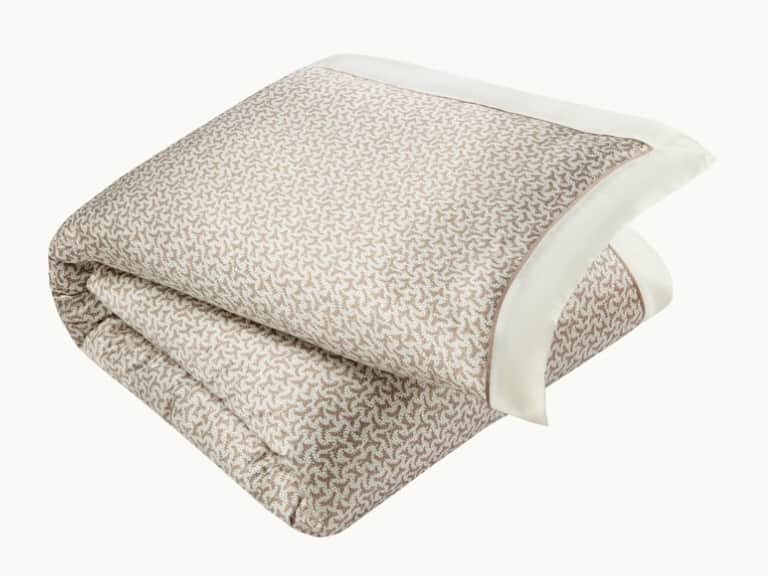
Gingerlily’s silk-filled range illustrates the idea of choosing by season rather than treating every comforter as interchangeable. Its listed summer-season option is described as lightweight and intended for warm nights, while the winter-season version is presented as a warmer choice. An all-seasons-weight option is positioned between those seasonal extremes. The product descriptions specify silk filling and cotton sateen shells for these comforters, with details such as ties or buttons on some designs to help secure layers together.
One listed summer-season comforter is described with a 2–4 tog profile, while the winter-season version is given a 9–11 tog range. These figures can provide a useful point of comparison within the collection, but they are not a prediction of how every sleeper will feel. Room temperature, the other layers on the bed and individual warmth preferences remain important. Always check the current product information and care label before making a decision.
Silk fill may appeal to people looking for a lighter-feeling layer, but claims about comfort should be considered in context. No filling can guarantee improved sleep or solve a health concern. If allergies or skin sensitivities are part of the decision, review the complete materials and cleaning guidance, and consult a qualified health professional where needed.
Layering: the adjustable alternative
A bed does not have to rely on a single comforter to cope with seasonal change. Layering creates options: a lighter comforter can remain in place while a removable blanket supplies extra warmth on colder nights. When conditions change, the top layer can be folded back or taken away. This approach can be particularly useful in homes where outdoor seasons shift faster than indoor temperatures.
Think of the bed as a sequence of layers. A sheet forms the surface next to the body; a comforter provides the main insulation; a blanket or coverlet can add flexible warmth or serve as a lighter covering on its own. The exact arrangement depends on the materials and the sleeper’s preferences. It is often easier to fine-tune a bed by changing one layer at a time than by replacing the entire setup.
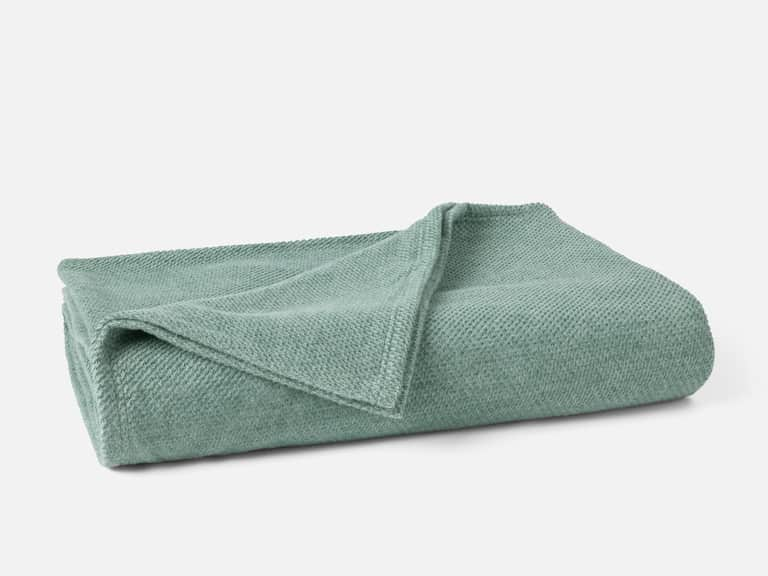
A washable cotton-and-wool blanket can provide a practical supplementary layer. The Sequoia Washable Organic Cotton and Wool Blanket combines 70% organic cotton and 30% organic wool. Its brushed construction is described as bringing a soft, cottony feel together with wool’s warmth, and the stated weight is 335 grams per square metre. The maker’s care instructions call for a cold, gentle wash and low tumble drying; checking the care label before laundering remains essential.
When combining layers, consider both warmth and movement. A blanket that shifts, bunches or feels too heavy can interrupt comfort even if it provides enough insulation. Make sure the comforter and added layer fit the bed, and use ties or fastenings where the construction provides them. If a comforter is designed to connect to another weight, follow the maker’s directions rather than improvising a fastening.
Layering also helps households with different warmth preferences. Each person can adjust their side with a separate blanket, or the bed can be arranged so that an extra layer is easy to reach without covering everyone. A simple folded blanket at the foot of the bed is not only a visual detail; it can be a readily available change in insulation.
A practical method for changing the bed through the year
- Start with the lightest comfortable setup. Use a sheet and a comforter suited to the room’s usual temperature. Avoid adding several layers before you know what the base arrangement feels like.
- Notice when comfort changes. If you wake too warm, remove or fold back a layer. If the bed feels chilly near morning, add a blanket or consider a warmer seasonal weight.
- Make one adjustment at a time. Changing the comforter, sheets and sleepwear all at once makes it difficult to identify what helped. A single change gives you clearer information.
- Keep a flexible layer nearby. A separate blanket can bridge the gap between a mild evening and a cooler night without committing to a heavier comforter every day.
- Reassess when the room changes. Heating settings, a fan, a new mattress protector or a change in who shares the bed can alter the warmth of the same bedding.
Care and construction are part of the choice
A comforter’s usefulness depends partly on how it can be maintained. Some designs are washable; others may require professional cleaning, spot treatment or a removable cover. These instructions matter especially for seasonal bedding that may spend part of the year stored away. A care routine that does not fit your household can make a theoretically ideal weight inconvenient in everyday use.
Read the care guidance before buying or rotating a comforter. Do not assume that a natural filling can be washed at home, or that a washable shell means the entire comforter is machine-washable. Follow the manufacturer’s directions for water temperature, detergent, drying and storage. For delicate fibres, inappropriate heat or agitation can damage the fabric or filling.
A duvet cover can help protect a comforter from ordinary contact and may simplify routine washing, provided the cover and insert are compatible. Fastenings and corner ties can help keep the insert in place. A smooth, breathable cover may also change the surface feel of the bed, but it will not turn a winter-weight insert into a summer-weight one.
Before storing a seasonal comforter, make sure it is clean and completely dry according to its care instructions. Store it in a dry, well-ventilated place, avoiding compression that may affect loft or shape. If the maker recommends a specific storage method, use that guidance. When the comforter comes back into rotation, inspect it for dampness, odour or damage before placing it on the bed.
Common mistakes when choosing comforter weight
- Choosing by season name alone. “Summer” and “winter” are helpful signals, but bedrooms and sleepers differ. Check the construction and any warmth rating.
- Confusing physical heaviness with insulation. Weight in the hand and warmth on the bed are related only imperfectly. Fill type, loft and construction also matter.
- Ignoring the rest of the bed. Sheets, blankets, mattress coverings and sleepwear contribute to the overall warmth.
- Assuming one comforter suits everyone. Shared sleepers may have different preferences, and separate layers can make adjustment easier.
- Overlooking care requirements. A comforter that is difficult to clean or store may be less suitable for frequent seasonal rotation.
A seasonal checklist
Before settling on a comforter weight, ask a few straightforward questions. Is the bedroom consistently warm, consistently cool or variable? Do you tend to sleep warm or cold? Does the current bed feel comfortable at both bedtime and dawn? Would a removable blanket provide enough flexibility? What do the fill, shell and care label say? If the comforter has a tog rating or seasonal designation, how does that information compare with the conditions in your room?
It can help to keep brief notes during a transition between seasons. Record the room’s approximate temperature, the layers in use and whether you woke too warm, too cool or comfortable. A few observations can reveal whether you need a lighter core, an added blanket or simply a change to the room’s ventilation. The aim is not a laboratory-perfect record; it is a clearer sense of what works in your own bed.
Frequently asked questions
Is an all-season comforter enough for every climate?
Not necessarily. It may work well in a home with fairly steady indoor temperatures, but pronounced heat or cold can call for a lighter or warmer option. A separate blanket can extend its usefulness across a wider range of conditions.
Is a silk-filled comforter always cool?
No. The fibre alone does not determine the final warmth. Fill amount, construction, shell fabric and seasonal weight all affect how a comforter feels. Review the specific design rather than assuming every silk-filled option behaves identically.
Can I use a summer-weight comforter in winter?
It may be possible to add a blanket or another compatible layer, particularly in a well-heated room. Whether that is warm enough depends on the bedroom and the sleeper. Follow any instructions for connecting or combining comforters.
What should I do if I wake up too warm?
Try removing a top layer first, then observe the result over several nights. If the comforter itself is consistently too warm for the room, a lighter seasonal weight may be a better fit. Room ventilation, sleepwear and mattress coverings can also contribute.
Let the room set the rhythm
The most useful comforter is not automatically the heaviest, the lightest or the one labelled for a particular season. It is the one whose warmth fits the bedroom and the sleeper, with enough flexibility to adapt when conditions change. Compare construction and care details, treat seasonal names as guidance rather than guarantees, and use layers to fine-tune the bed. Like the shifting climate outside the window, nighttime comfort is a moving target—but a thoughtful bedding system can respond without requiring a complete reset each time the weather turns.