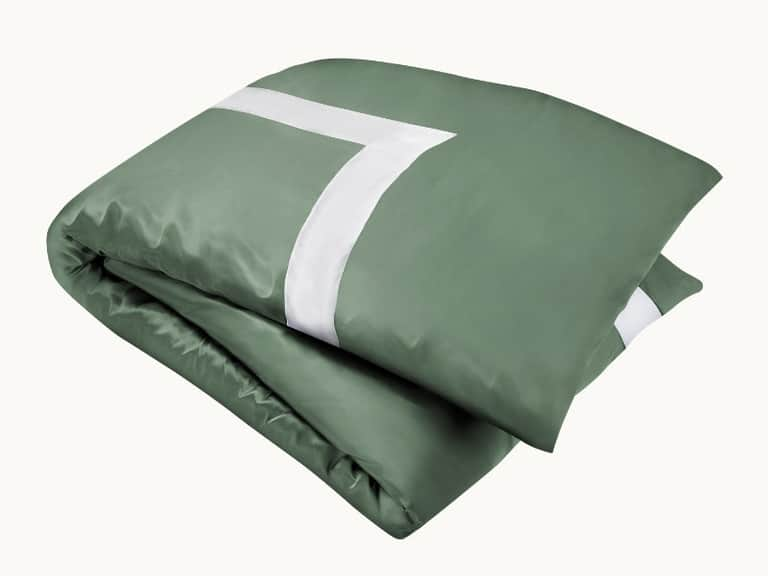
Bedding · Materials & Care
Inside Gingerlily Comforter Construction: Fill, Shell, and Care
A comforter is more than a layer of warmth. Its filling, outer shell, stitching, and care requirements work together to determine how it feels on the bed and how it fits into everyday life. Gingerlily comforters include silk fiber filling in more than one construction, making the details on the label especially worth a close look.
Lift a comforter and its design reveals itself in layers: the fill enclosed inside, the shell that contains it, and the stitching or fastenings that help keep everything in place. With silk-filled bedding, these parts are not interchangeable. A comforter with a cotton sateen shell behaves differently at the surface from one wrapped in silk, even when silk is the principal filling in both.
That distinction matters most when choosing bedding for a particular room, climate, or care routine. A lightweight, breathable layer may suit a warm bedroom or a person who prefers less weight. A heavier seasonal construction may be more appropriate when cold nights call for additional insulation. And a comforter that should be aired or spot cleaned asks for a different kind of upkeep than one that can be professionally laundered.
Gingerlily’s range illustrates why it helps to read beyond a product name. The available descriptions include silk-filled comforters with cotton sateen shells, seasonal weights, and a comforter with both silk filling and a silk shell. Understanding the role of each component can make the choice clearer—and help protect the fibers once the comforter comes home.
The filling: silk fibers as a layer of insulation
A comforter’s filling creates much of its warmth and determines how the layer settles over the body. In the Gingerlily examples described here, the fill is mulberry silk, including long-strand silk in some models. Silk fibers are light and can hold air within the structure of the filling. That trapped air helps provide insulation without requiring the dense, heavy feel some sleepers associate with winter bedding.
Silk’s breathable character also helps explain its use across different seasons. A fill that holds warmth while allowing excess heat and moisture to move away from the sleeper may feel more adaptable than a very dense layer. This does not mean every silk-filled comforter will feel the same: fill quantity, construction, shell fabric, room temperature, and personal preference all influence the experience.
Some Gingerlily comforters are designed in seasonal weights. The summer-season option is described as a lightweight silk fill with a cotton sateen shell and a 2–4 tog equivalent. The winter-season version is described as having a 9–11 tog equivalent, with silk fill and a cotton sateen casing. These figures offer a point of comparison, but they are not a complete prediction of comfort. Bedding warmth depends on the entire sleep system, including sheets, pajamas, room conditions, and whether additional layers are used.
An all-seasons design can offer another approach. One model uses silk filling inside a cotton sateen shell and includes ties and buttons intended to help secure layers or maintain an even arrangement. Another all-season design pairs Grade 6A long-strand mulberry silk filling with a charmeuse silk shell. Construction details such as ties, buttons, or corner loops can be useful because they help keep a comforter aligned with a cover or with another compatible layer.
When comparing fills, look for exact wording. “Silk-filled” describes the interior, not necessarily the fabric touching the sleeper. A comforter can have silk fill and a cotton shell; it can also have silk fill and a silk shell. Check whether the fill is identified as 100% silk, whether the description specifies long-strand silk, and whether any construction notes explain how it is held evenly within the comforter.
The shell: the fabric that meets the room and the body
The shell is the outer casing around the filling. It influences the comforter’s surface feel, drape, and practical care. A cotton sateen shell has a smooth woven finish and provides a distinct contrast to the silk fibers inside. A silk shell creates a silk surface on the outside as well, changing the overall hand and appearance of the comforter.
Several Gingerlily constructions use a cotton sateen casing with a 300-thread-count specification. In these designs, the shell is not silk, even though the filling is. That distinction is easy to overlook when a product title emphasizes silk. Reading the material breakdown prevents confusion and helps set realistic expectations about how the comforter will feel and how it should be maintained.
A silk shell, by contrast, makes the outer fabric part of the silk experience. The all-season comforter described with a 16 momme charmeuse silk shell pairs that casing with Grade 6A long-strand mulberry silk fiber fill. Piping and corner loops are listed as construction features. The shell’s delicate material, however, also makes the care instructions particularly important: this design is described as spot clean only, with airing or refreshing suggested as periodic maintenance. It should not be washed or dry cleaned, according to the supplied care guidance.
Shell material is only one part of a comforter’s construction. Buttons, ties, loops, seams, and quilting may affect how the fill stays in position and how the comforter connects to a duvet cover. If the comforter will be used inside a cover, check for compatible fastening points. If it will be used without a cover, consider whether the shell’s care needs suit regular contact with skin, pets, or household use.
For related silk bedding, a Gingerlily Ashdown Silk Duvet Cover is made from 100% mulberry silk and has care instructions calling for a delicate machine cycle, air drying, and cool ironing. A duvet cover is not the same item as a comforter shell: it is a removable outer layer intended to cover an insert. Its care directions should not be applied to the comforter inside it. Always follow the label for each separate piece.
Construction details that shape everyday use
Comforter construction is the quiet engineering behind an even night’s warmth. When the fill shifts into clumps or thin patches, the temperature can feel uneven. Ties, corner loops, buttons, and stitched compartments can help keep layers aligned, though their presence and purpose differ from design to design.
Some Gingerlily seasonal and all-season models include buttons and small ties at the sides and corners. These features can allow compatible comforters to be joined or held in place, depending on the specific design. Before combining layers, confirm that the pieces are intended to connect and that their fastenings match. A fastening detail should not be assumed to fit every comforter in a range.
Quilting is another construction method, but not every comforter described as silk-filled uses the same arrangement. The Savoy Silk Comforter, for example, is described as having silk filling within a silk cover and a quilted pattern intended to distribute the filling. The available description identifies it as washable and dryable, but that broad statement should not replace the product’s current care label. Confirm exact temperature, cycle, and drying instructions before laundering.
Dimensions and fit matter, too. A comforter should cover the bed sufficiently for the sleeper’s needs without becoming difficult to manage. If it will be paired with a duvet cover, compare the sizes and look for corner ties or other attachment points. A properly fitted cover can reduce direct handling of the comforter shell, but it does not eliminate the need to follow the comforter’s own care directions.
When evaluating construction, treat marketing descriptions as a starting point rather than a substitute for specifications. A useful checklist includes shell composition, fill composition, seasonal weight or tog information, fastenings, dimensions, certifications, and explicit care directions. If one of these details is missing, do not infer it from the product name alone.
Care is part of the construction
Silk is a natural protein fiber, and its condition can be affected by heat, harsh detergents, rough agitation, and prolonged dampness. A comforter’s care routine is therefore tied to its complete construction—not simply to the material named in the title. The fill, shell, stitching, and any special finish may all influence which cleaning method is appropriate.
Gingerlily care guidance varies by design. The all-season comforter with a silk shell is described as spot clean only and should not be washed or dry cleaned. Its maintenance guidance recommends airing it once or twice a year or refreshing it with a dryer, while also stating not to dry clean or wash. For any refreshing method, use the current product label as the final authority, particularly because dryer settings and household machines vary.
The winter-season comforter with a cotton sateen casing has a different set of directions: spot clean with a suitable stain remover, or use professional laundering at no higher than 30°C with a mild silk or delicates detergent. The description allows air drying or a very low or cool dryer cycle if needed. This is not a general instruction for all silk-filled comforters; it applies to that particular construction as described.
For products whose labels permit washing, a delicate cycle, cool water, and mild detergent are common precautions in silk care. Air drying away from strong heat is often a gentler choice than high-temperature tumble drying. But these practices should only be used when the specific comforter’s care label permits them. One model’s instructions should never be transferred automatically to another.
Spot cleaning also calls for restraint. Blot rather than scrub, avoid saturating the filling, and test any product in an inconspicuous area only if the care guidance permits it. Strong household cleaners, bleach, and aggressive stain treatments can damage fibers or alter the shell. If a stain is extensive or the instructions are unclear, seek advice from a textile-care professional before proceeding.
Regular airing can help reduce the need for unnecessary washing. Use a dry, ventilated place away from direct sunlight and damp conditions, and follow the manufacturer’s recommendations about frequency. Do not leave a silk-filled comforter where it may collect moisture or be exposed to intense heat. After airing, ensure it is fully dry before placing it back on the bed or storing it.
A practical care checklist
Before using or cleaning a Gingerlily comforter, take a few minutes to identify the exact model and read its label. Product descriptions can summarize key points, but labels may provide the most current, specific instructions. Keep those instructions accessible rather than relying on memory.
- Confirm the materials. Record both the fill and shell. “Silk fill” does not mean “silk shell.”
- Check the permitted cleaning method. Distinguish between spot cleaning, professional laundering, airing, and any permitted machine care.
- Follow temperature limits. Where professional laundering is allowed, note any stated maximum temperature and detergent guidance.
- Avoid assumptions about drying. Some descriptions permit only air drying; others may allow a very low or cool dryer setting. Use only the direction listed for that model.
- Protect the comforter during everyday use. A compatible duvet cover can reduce direct contact and make routine laundering easier, but the insert still needs appropriate care.
- Store it dry and clean. Allow the comforter to dry fully before storing, and choose a clean, breathable storage space away from dampness.
- Ask before treating uncertain stains. If the label does not clearly address a cleaning method, contact the manufacturer or a qualified cleaner instead of experimenting.
Care labels are especially important when a description mentions a certification such as OEKO-TEX Standard 100. That certification relates to textile safety testing; it does not indicate that a product is machine washable, stain-proof, or suitable for a particular cleaning method. Safety information and maintenance instructions answer different questions.
Understanding OEKO-TEX in context
Some Gingerlily comforter descriptions state compliance with OEKO-TEX Standard 100. In general, the standard is associated with testing textile products for certain harmful substances. It can be a useful piece of information when comparing bedding, but it should be considered alongside the full product specification and the scope of the certification.
A certification does not tell you whether the comforter’s shell is cotton or silk, how much insulation it provides, whether its fill will suit your preferred sleep temperature, or how it should be cleaned. Nor should a certification claim be treated as proof of every broad health or performance benefit sometimes associated with natural fibers. For exact coverage or current certification details, consult the product documentation and the certifying organization’s information.
For a careful comparison, separate the questions: What materials are used? How is the comforter constructed? What safety or testing information is provided? What does the care label permit? Keeping these questions distinct makes it easier to evaluate the bedding without overreading any single claim.
Choosing a construction for your room and routine
Start with the conditions in which the comforter will be used. A warm bedroom, variable indoor temperatures, or a preference for lightweight bedding may point toward a lighter seasonal option. A colder room or a sleeper who wants more coverage may call for a heavier layer. Use tog equivalents as a comparison tool where provided, but remember that actual warmth changes with the rest of the bedding and the sleeper’s own comfort.
Next, consider shell preference. A cotton sateen shell offers a different surface from a silk shell and may be the more practical choice for someone seeking silk fill without an all-silk exterior. A silk shell may appeal to those who want silk on the outside as well, but its care requirements can be more restrictive. The choice is not simply about softness; it is about the whole maintenance pattern.
Then make care a deciding factor, not an afterthought. If a comforter is spot clean only, ask whether that routine is realistic for your household. If the instructions specify professional laundering, consider access and cost. If a product may be aired or refreshed but not washed, make sure you understand what those terms mean for the specific model. A comforter that suits your routine is more likely to remain in good condition over time.
Finally, compare the details that affect fit and layering: dimensions, fastenings, shell material, fill composition, and whether the design is intended to connect with another layer. A precise match between comforter and cover can make the bed easier to assemble and help limit unnecessary handling of delicate fabrics.
A closer look before making a decision
When comparing Gingerlily comforters, a compact set of questions can reveal meaningful differences:
- Is silk used as the filling, the shell, or both?
- Is the silk fill described as long-strand or Grade 6A, and what does the specification actually state?
- Is the shell cotton sateen, charmeuse silk, or another material?
- Does the comforter have seasonal weight information, such as a tog equivalent?
- Are ties, buttons, corner loops, or quilting included, and what function do they serve?
- Does the care label allow washing, or does it specify spot cleaning, airing, or professional laundering?
- Is any certification identified, and what question does that certification answer?
The answers turn a broad label—“silk comforter”—into a practical description of a particular object. They also help avoid common mistakes, such as assuming that all silk-filled pieces can be washed in the same way or that a silk shell is simply a decorative variation with no effect on care.
The lasting value of reading the label
At first glance, a comforter may seem like a single textile. In use, it is a small system: fill holds warmth, shell contains the fill and shapes the touch, and construction keeps the layers working together. Care is part of that system. The right routine preserves the materials; the wrong one can shorten their useful life.
Gingerlily’s silk-filled options show how much can differ beneath a shared material name. Some use cotton sateen shells; another pairs silk filling with a silk shell. Seasonal weights, connecting details, and cleaning requirements vary. Looking closely at each specification makes it easier to choose based on warmth, feel, and maintenance rather than on a single headline claim.
Before bringing a comforter into a bedding setup, identify its fill and shell, check the construction, and read the care instructions from beginning to end. These modest steps offer a clearer picture of what the comforter is designed to do—and how to care for it once it becomes part of the nightly landscape.